The Profitability Impact of Green HRM In Modern Organizations

For decades, business leaders operated under the assumption that environmental responsibility and profitability were inherently conflicting objectives. The conventional wisdom suggested that investing in sustainability meant sacrificing financial returns. However, modern research and real-world evidence have shattered this myth, revealing that Green Human Resource Management (Green HRM) not only supports environmental goals but actively drives organizational profitability.
This article examines the compelling financial case for Green HRM, exploring the multiple pathways through which environmentally integrated HR practices generate measurable bottom-line returns, competitive advantages, and long-term value creation for modern organizations.
Redefining the Business Case: Green HRM as Profit Driver
Green HRM represents a fundamental shift in how organizations approach the relationship between environmental sustainability and financial performance. Rather than viewing green practices as cost centers or compliance obligations, forward-thinking organizations recognize Green HRM as a strategic investment that generates returns through multiple channels including operational efficiency, revenue enhancement, risk mitigation, and intangible asset development.
The profitability impact of Green HRM operates through both direct financial mechanisms—such as cost reduction and revenue generation—and indirect pathways including brand enhancement, talent attraction, and stakeholder value creation. Understanding these interconnected profit drivers enables organizations to maximize the financial returns from their Green HRM investments.
- Operational cost reduction through resource efficiency
- Revenue enhancement from green products and services
- Risk mitigation and compliance cost avoidance
- Enhanced brand value and market positioning
- Improved talent acquisition and retention economics
- Innovation-driven competitive advantages
- Access to green financing and investment capital
Direct Profit Pathways: Quantifiable Financial Returns
1. Operational Cost Reduction Through Resource Efficiency

The most immediate and measurable profitability impact of Green HRM comes from operational cost reductions achieved through improved resource efficiency. When employees are trained, motivated, and empowered to identify and eliminate waste, organizations realize substantial savings across energy, water, materials, and waste management.
Energy Reduction:
- Employee-driven energy conservation initiatives typically reduce consumption by 15-30%
- Annual energy cost savings of $50,000-$500,000+ depending on organization size
- Payback periods of 6-18 months for most behavioral energy programs
Waste Management:
- Comprehensive waste reduction programs decrease disposal costs by 25-40%
- Material reuse and recycling programs generating revenue from waste streams
- Reduced raw material purchases through circular economy practices
Water Conservation:
- Water efficiency initiatives reducing consumption and treatment costs by 20-35%
- Particularly significant in water-intensive industries (manufacturing, hospitality, agriculture)
Material Optimization:
- Reduced material waste through employee process improvements
- Extended equipment life through better maintenance practices
- Optimized supply utilization reducing procurement costs
Financial Impact Example: A mid-sized manufacturing company implementing comprehensive Green HRM practices achieved annual cost savings of $2.3 million through energy reduction ($840,000), waste management improvements ($520,000), water conservation ($280,000), and material efficiency gains ($660,000). With implementation costs of $380,000, the organization realized ROI of 505% in the first year alone.
2. Productivity Enhancement and Operational Excellence

Green HRM drives profitability through enhanced employee productivity and operational performance. Research consistently demonstrates that employees working in environmentally responsible organizations exhibit higher engagement, motivation, and productivity levels compared to conventional workplaces.
- Employee Engagement: Green workplace practices associated with 16% higher employee engagement scores
- Absenteeism Reduction: Healthier work environments reducing sick days by 8-15%
- Performance Improvement: Engaged employees in green organizations showing 12-18% higher individual productivity
- Process Optimization: Employee environmental improvement suggestions yielding operational efficiency gains
- Quality Enhancement: Attention to environmental details correlating with improved product/service quality
Quantified Impact: Organizations with strong Green HRM practices report average productivity improvements of 5-8%, translating to millions of dollars in additional output value for medium to large organizations without proportional increases in labor costs.
3. Revenue Generation Through Green Market Positioning
Green HRM enhances profitability by enabling organizations to capture growing market demand for environmentally responsible products and services. Employees who understand and embody sustainability values become powerful drivers of green innovation and customer value creation.
Green Product Development:
- Employee-driven innovation creating new sustainable product lines
- Premium pricing opportunities for certified green products (10-25% price premiums)
- Market share gains in rapidly growing sustainable product categories
Customer Acquisition:
- Environmental credentials attracting sustainability-conscious customers (growing segment representing 30-40% of consumers)
- B2B advantages as corporate clients prioritize sustainable suppliers
- Government contract opportunities requiring environmental certifications
Customer Retention:
- Environmental authenticity strengthening customer loyalty
- Higher customer lifetime value among sustainability-oriented segments
- Reduced customer acquisition costs through positive word-of-mouth
Market Evidence: Companies recognized as sustainability leaders achieve revenue growth rates 5-7% higher than industry averages, with environmental credentials increasingly influencing purchasing decisions across both consumer and business markets.
4. Risk Mitigation and Compliance Cost Avoidance

Green HRM generates profitability through proactive risk management and avoidance of regulatory penalties, legal liabilities, and reputational damage. Organizations with environmentally aware and engaged workforces are significantly better positioned to prevent costly environmental incidents and compliance violations.
- Regulatory Compliance: Avoiding fines, penalties, and legal costs (average environmental violation penalties: $50,000-$500,000+)
- Accident Prevention: Reduced environmental incidents and associated cleanup costs, liability exposure, and business interruptions
- Reputational Protection: Avoiding brand damage and customer loss from environmental controversies (potential impact: millions to billions in market value)
- Supply Chain Resilience: Reduced vulnerability to resource price volatility and supply disruptions
- Insurance Savings: Lower premiums for organizations with strong environmental management records
Organizations with comprehensive Green HRM systems experience 40-60% fewer environmental violations and incidents compared to industry averages, representing significant savings in direct costs, legal fees, remediation expenses, and reputational damage prevention.
Indirect Profit Pathways: Strategic Value Creation
5. Brand Value and Market Differentiation
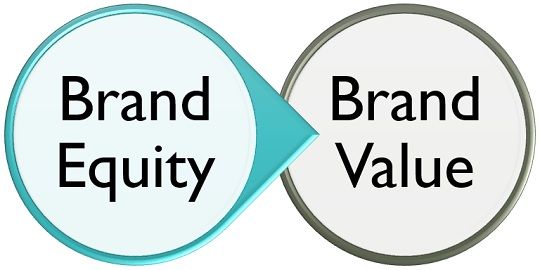
Green HRM enhances profitability by building powerful intangible assets, particularly brand equity and reputation. In markets where sustainability increasingly influences stakeholder decisions, environmental leadership translates directly into competitive advantages and premium positioning.
- Brand Equity Growth: Sustainability leadership contributing 8-15% to overall brand value
- Market Differentiation: Environmental credentials providing competitive distinction in crowded markets
- Media Value: Positive sustainability coverage generating earned media worth millions in advertising equivalency
- Award Recognition: Sustainability awards and certifications enhancing credibility and visibility
- Stakeholder Trust: Environmental authenticity building trust capital with all stakeholder groups
Research indicates that companies with strong environmental reputations command brand value premiums of 10-20% compared to industry peers, translating to billions of dollars for major corporations and significant competitive advantages for organizations of all sizes.
6. Talent Acquisition and Retention Economics

One of the most significant yet often overlooked profitability impacts of Green HRM comes from improved talent economics. Organizations recognized for environmental leadership attract higher-quality candidates, fill positions faster, and retain employees longer—all generating substantial financial returns.
Recruitment Advantages:
- 40-50% larger applicant pools for organizations with strong sustainability credentials
- Higher quality candidates (research shows top talent prioritizes purpose-driven employers)
- Reduced time-to-hire saving recruitment costs and opportunity costs of vacant positions
- Lower recruitment marketing expenses through employer brand strength
Retention Improvements:
- 15-25% lower voluntary turnover in organizations with comprehensive Green HRM
- Each prevented departure saving 50-150% of annual salary in replacement costs
- Reduced knowledge loss and productivity disruption from turnover
- Enhanced organizational stability and institutional knowledge retention
Employee Value Optimization:
- Higher employee engagement translating to increased discretionary effort
- Longer employee tenure enabling greater return on training investments
- Stronger internal talent pipeline reducing external hiring needs
Financial Quantification: For a 500-employee organization with average salaries of $60,000, reducing turnover from 15% to 10% through Green HRM saves approximately $2.25-$4.5 million annually in replacement costs alone, not including productivity and knowledge retention benefits.
7. Innovation-Driven Competitive Advantages

Green HRM drives profitability through enhanced innovation capacity. Organizations that engage employees in environmental problem-solving unlock distributed intelligence, generating innovations that create new revenue streams, reduce costs, and strengthen competitive positioning.
- Process Innovation: Employee-generated improvements to operations, manufacturing, and service delivery
- Product Innovation: Development of new sustainable products and services capturing emerging market demand
- Business Model Innovation: Creation of circular economy and service-based models opening new revenue opportunities
- Technology Adoption: Faster identification and implementation of environmental technologies
- Best Practice Development: Innovation leadership creating licensing and consulting opportunities
Organizations with strong Green HRM generate 50-70% more environmental innovations than peers, with many innovations delivering ROI exceeding 300-500% through cost savings, new revenue generation, or competitive differentiation.
8. Access to Capital and Investment Advantages
Green HRM enhances profitability by improving access to capital and lowering capital costs. The dramatic growth of ESG (Environmental, Social, Governance) investing means that organizations demonstrating comprehensive sustainability management—including Green HRM—enjoy significant financial advantages.
- ESG Investment Flows: Access to $30+ trillion in ESG-focused investment capital
- Lower Cost of Capital: Sustainability leaders achieving 0.5-1.0% lower interest rates on debt financing
- Valuation Premiums: Stock market premiums of 5-15% for companies with strong ESG performance
- Green Bonds: Access to favorable-rate sustainability-linked financing instruments
- Investor Confidence: Reduced perceived risk leading to more stable share prices and investor loyalty
- Long-Term Capital: Attraction of patient capital from sustainability-focused institutional investors
For a company raising $100 million in debt financing, a 1% reduction in interest rates due to strong ESG credentials (supported by comprehensive Green HRM) saves $1 million annually—a recurring benefit that compounds over the life of the financing.
Calculating Green HRM ROI: A Framework

To fully capture the profitability impact of Green HRM, organizations need comprehensive ROI frameworks that account for both direct and indirect financial benefits:
Implementation Costs (Investment):
- Green training program development and delivery
- Environmental management system implementation
- Green recruitment and selection process enhancements
- Performance management system modifications
- Recognition and reward program costs
- Technology and monitoring systems
- Staff time and resources
Direct Financial Returns:
- Energy cost savings (quantified annually)
- Water cost reductions (quantified annually)
- Waste management savings (quantified annually)
- Material efficiency gains (quantified annually)
- Productivity improvements (valued at output increase)
- Compliance cost avoidance (penalties, legal fees prevented)
Indirect Financial Benefits:
- Reduced turnover costs (calculated per prevented departure)
- Improved recruitment efficiency (time and cost savings)
- Revenue growth from green market positioning (incremental sales)
- Innovation value (cost savings or revenue from new ideas)
- Brand value enhancement (measured through brand valuation studies)
- Risk mitigation value (estimated expected value of prevented incidents)
- Capital cost advantages (interest rate differences on actual borrowings)
ROI Formula:
ROI = [(Total Annual Benefits - Annual Implementation Costs) / Total Implementation Investment] × 100
Real-World Profitability Evidence: Case Studies

Case Study 1: Global Manufacturing Corporation
Organization: Multinational automotive parts manufacturer with 15,000 employees across 30 facilities
Green HRM Initiative: Comprehensive three-year program including environmental training for all employees, green teams at each facility, sustainability-linked performance bonuses, and employee innovation programs.
Investment: $4.2 million (training, systems, incentives, dedicated staff)
Financial Results (Year 3):
- Energy cost savings: $6.8 million annually
- Waste management improvements: $3.2 million annually
- Material efficiency gains: $4.7 million annually
- Productivity improvements: $8.3 million annually (valued output increase)
- Reduced turnover savings: $2.9 million annually
- Innovation implementation value: $5.4 million annually
- Total Annual Benefits: $31.3 million
- Three-Year ROI: 645%
Additional Benefits: Enhanced brand reputation leading to new customer contracts worth $18 million annually, improved employee engagement scores from 68% to 87%, and recognition as industry sustainability leader.
Case Study 2: Regional Hospitality Chain
Organization: Hotel chain with 25 properties and 3,500 employees
Green HRM Initiative: Sustainability training for all staff, green guest service protocols, employee environmental suggestion program, and recognition system for environmental champions.
Investment: $680,000 (training, systems, recognition programs)
Financial Results (Year 2):
- Energy savings across properties: $1.2 million annually
- Water conservation: $340,000 annually
- Waste reduction: $220,000 annually
- Reduced employee turnover: $890,000 annually
- Increased occupancy from green reputation: $2.4 million annually (revenue increase)
- Total Annual Benefits: $5.05 million
- Two-Year ROI: 385%
Additional Benefits: Achieved green hospitality certification for all properties, customer satisfaction scores improved 12%, and TripAdvisor ratings increased with multiple mentions of environmental practices.
Case Study 3: Technology Services Company
Organization: Software and consulting firm with 800 employees
Green HRM Initiative: Remote work environmental benefits, carbon-neutral operations, comprehensive green training, and employee-led sustainability projects.
Investment: $210,000 (training, carbon offsets, technology, program management)
Financial Results (Year 1):
- Office space reduction savings: $420,000 annually
- Energy and utilities: $85,000 annually
- Improved talent attraction: $340,000 annually (recruitment cost savings and faster hiring)
- Reduced turnover: $280,000 annually
- New client acquisition (green credentials): $1.2 million revenue increase
- Total Annual Benefits: $2.325 million
- First-Year ROI: 1,007%
Additional Benefits: Became employer of choice for tech talent in the region, employee engagement increased from 74% to 91%, and company featured in multiple "best places to work" rankings.
Industry-Specific Profitability Impacts

While Green HRM generates profitability across all sectors, the specific mechanisms and magnitude vary by industry:
- Highest impact: Energy and material efficiency (typically 20-35% of total benefits)
- Average ROI: 250-500% over 3 years
- Key driver: Process improvements from employee engagement
- Highest impact: Brand differentiation and customer loyalty (35-45% of benefits)
- Average ROI: 300-450% over 3 years
- Key driver: Guest preference for sustainable accommodations
- Highest impact: Customer acquisition and retention (40-50% of benefits)
- Average ROI: 200-400% over 3 years
- Key driver: Consumer preference for sustainable brands
- Highest impact: Talent attraction and brand value (45-55% of benefits)
- Average ROI: 300-500% over 3 years
- Key driver: Employer brand in competitive talent markets
- Highest impact: Talent retention and innovation (40-50% of benefits)
- Average ROI: 400-600% over 3 years
- Key driver: Attraction of purpose-driven technical talent
- Highest impact: Operational efficiency and employee wellness (30-40% of benefits)
- Average ROI: 250-400% over 3 years
- Key driver: Healthier work environments improving staff and patient outcomes
Maximizing Profitability from Green HRM

To maximize the profitability impact of Green HRM, organizations should follow these evidence-based best practices:
1. Start with Quick Wins:
- Identify high-impact, low-cost initiatives delivering immediate returns
- Build momentum and secure stakeholder support through early successes
- Use savings from quick wins to fund more comprehensive programs
2. Comprehensive Integration:
- Embed environmental considerations across all HR functions
- Create reinforcing systems where practices support each other
- Avoid isolated programs that fail to create cultural change
3. Measurement Discipline:
- Establish baseline metrics before implementation
- Track both leading indicators (behaviors) and lagging indicators (outcomes)
- Regularly quantify and communicate financial benefits
4. Employee Engagement Focus:
- Ensure genuine employee participation rather than top-down mandates
- Provide mechanisms for employee innovation and improvement suggestions
- Recognize and reward environmental contributions
5. Technology Enablement:
- Leverage digital tools for tracking, reporting, and engagement
- Use data analytics to identify opportunities and measure impact
- Automate routine monitoring to free resources for strategic initiatives
6. External Communication:
- Communicate green achievements to customers, investors, and other stakeholders
- Translate environmental performance into business value stories
- Build brand value through authentic sustainability leadership
7. Continuous Improvement:
- Regularly review and refine Green HRM practices
- Learn from both successes and failures
- Benchmark against leading organizations
- Scale successful pilots across the organization
Common Pitfalls That Reduce Profitability

Organizations should also be aware of common mistakes that diminish the profitability impact of Green HRM:
- Greenwashing: Superficial programs that lack substance damage credibility and fail to generate returns
- Insufficient Measurement: Inability to quantify benefits undermines support and prevents optimization
- Top-Down Only Approach: Programs without genuine employee engagement miss majority of potential benefits
- Short-Term Focus: Abandoning initiatives before they mature prevents realization of full benefits
- Siloed Implementation: Isolated HR initiatives disconnected from broader business strategy
- Inadequate Resources: Under-investment preventing programs from achieving critical mass
- Poor Communication: Failure to translate environmental achievements into business value language
The Future of Green HRM Profitability

Several trends suggest that the profitability impact of Green HRM will intensify in coming years:
- Regulatory Pressure: Increasing compliance costs making proactive Green HRM more cost-effective
- Carbon Pricing: Expansion of carbon taxes and trading systems creating direct financial incentives
- Consumer Demand: Growing sustainability preferences among consumers increasing revenue potential
- Talent Wars: Intensifying competition for talent making environmental credentials more valuable
- ESG Integration: Mainstream financial integration of ESG factors affecting capital costs and valuations
- Technology Advances: New tools reducing implementation costs and increasing benefits
- Climate Risks: Growing environmental disruptions making resilience through Green HRM more valuable
Conclusion: The Compelling Financial Case
The evidence is overwhelming and unambiguous: Green HRM is not a cost to be minimized but an investment that generates substantial, measurable returns across multiple profit pathways. Organizations implementing comprehensive Green HRM practices consistently achieve returns on investment exceeding 250-600% within three years, with benefits continuing to compound over time.
The profitability impact operates through direct mechanisms—energy savings, waste reduction, productivity improvements, and risk avoidance—and powerful indirect pathways including brand enhancement, talent advantages, innovation capacity, and capital access. Together, these create a compelling financial case that makes Green HRM one of the highest-return strategic investments available to modern organizations.
Perhaps most importantly, the profitability advantage of Green HRM is increasing rather than diminishing. As stakeholder expectations evolve, regulatory requirements tighten, environmental risks intensify, and market preferences shift toward sustainability, organizations with strong Green HRM practices will enjoy growing competitive and financial advantages over those clinging to outdated assumptions about the cost of environmental responsibility.
The question for business leaders is no longer whether Green HRM improves profitability—the evidence on that point is conclusive. The relevant questions are: How quickly can we implement comprehensive Green HRM? How can we maximize the financial returns? And can we afford to let competitors capture these advantages first?
In the modern business landscape, Green HRM represents not just environmental leadership but financial excellence. The organizations that recognize this reality and act decisively will be the profit leaders of tomorrow.
Key Takeaways for Business Leaders
- Green HRM typically generates ROI of 250-600% within 3 years across industries
- Benefits operate through 8+ distinct profit pathways, both direct and indirect
- Operational cost savings alone often justify entire investment within 12-18 months
- Talent economics (attraction and retention) provide substantial ongoing returns
- Revenue enhancement and brand value creation offer significant upside potential
- Risk mitigation protects against potentially catastrophic financial exposure
- Capital access advantages reduce cost of financing and improve valuations
- Profitability advantage is increasing as sustainability becomes mainstream business imperative
References
- Renwick, D. W., Redman, T., & Maguire, S. (2013). Green Human Resource Management: A review and research agenda. International Journal of Management Reviews, 15(1), 1–14.
- Dumont, J., Shen, J., & Deng, X. (2017). Effects of green HRM practices on employee workplace green behavior: The role of psychological green climate. Human Resource Management, 56(4), 613–627.
- Eccles, R. G., Ioannou, I., & Serafeim, G. (2014). The impact of corporate sustainability on organizational processes and performance. Management Science, 60(11), 2835–2857.
- Khan, M., Serafeim, G., & Yoon, A. (2016). Corporate sustainability: First evidence on materiality. The Accounting Review, 91(6), 1697–1724.
- Pham, N. T., Hoang, H. T., & Nguyen, L. D. (2020). Green human resource management and employee green behavior: The role of green rewards. Business Strategy and the Environment, 29(4), 1765–1777.
- Ambec, S., & Lanoie, P. (2008). Does it pay to be green? A systematic overview. Academy of Management Perspectives, 22(4), 45–62.
- Friede, G., Busch, T., & Bassen, A. (2015). ESG and financial performance: Aggregated evidence from more than 2000 empirical studies. Journal of Sustainable Finance & Investment, 5(4), 210–233.
- Kim, Y. J., Kim, W. G., Choi, H.-M., & Phetvaroon, K. (2019). The effect of green human resource management on hotel employees' eco-friendly behavior and environmental performance. International Journal of Hospitality Management, 76, 83–93.


This clearly shows that Green HRM isn’t just about sustainability, it’s a strategic driver of profitability. From cost savings and productivity gains to revenue growth and risk reduction, integrating environmental practices into HR creates tangible financial value while strengthening brand and employee engagement.
ReplyDeleteGlad the Post added value, Thank you
DeleteYou have nicely explained why combining HR practices with environmental responsibility matters. Good work.
ReplyDeleteThank you and appreciate your comment.
DeleteGreat post! Your ideas on modern HR and workplace management came through clearly. The link between people‑centered practices and effective organizational outcomes really stood out.
ReplyDeleteThank you for the support.
DeleteGreat article! You clearly show how Green Human Resource Management can be more than a green initiative — it actually helps organisations cut costs, boost efficiency, and attract committed talent while doing right by the planet. Thanks for sharing such a thoughtful and practical perspective!
ReplyDeleteHighly appreciate your engagement with the post.
DeleteI appreciate how you emphasized the practical impact of Green HRM on both employees and organizational performance.
ReplyDelete